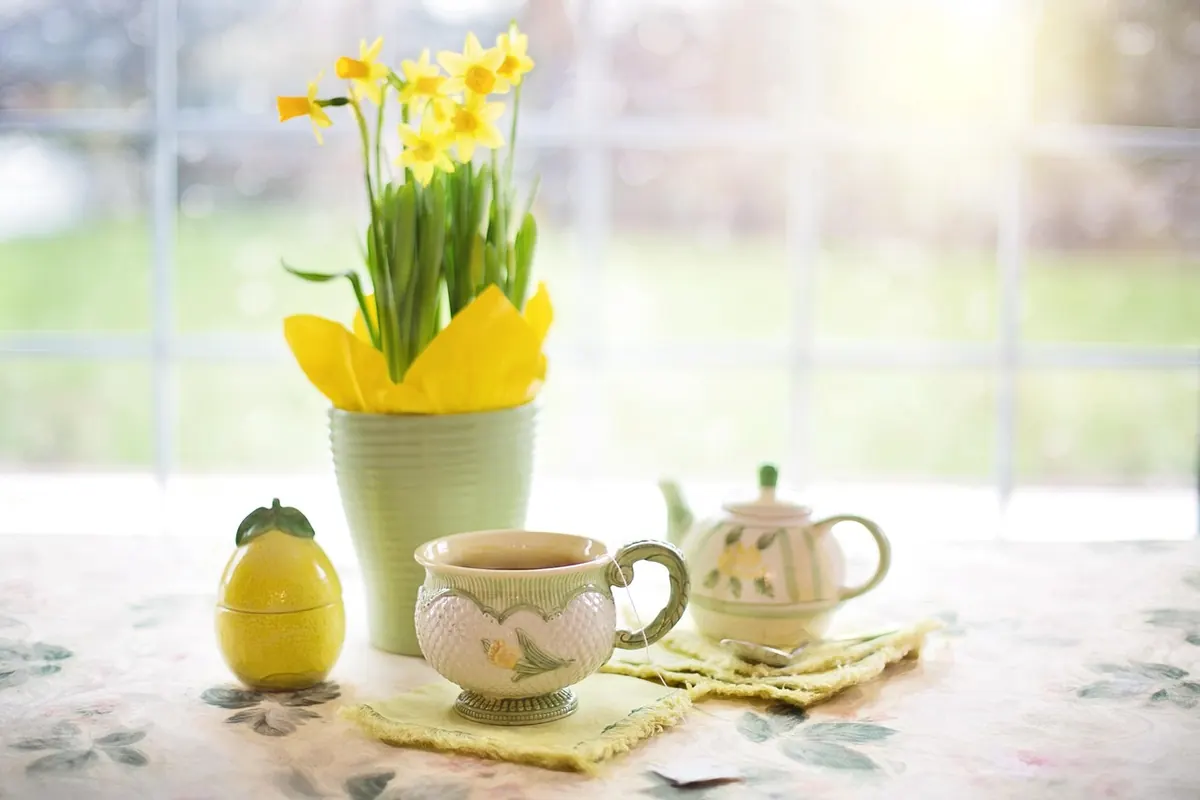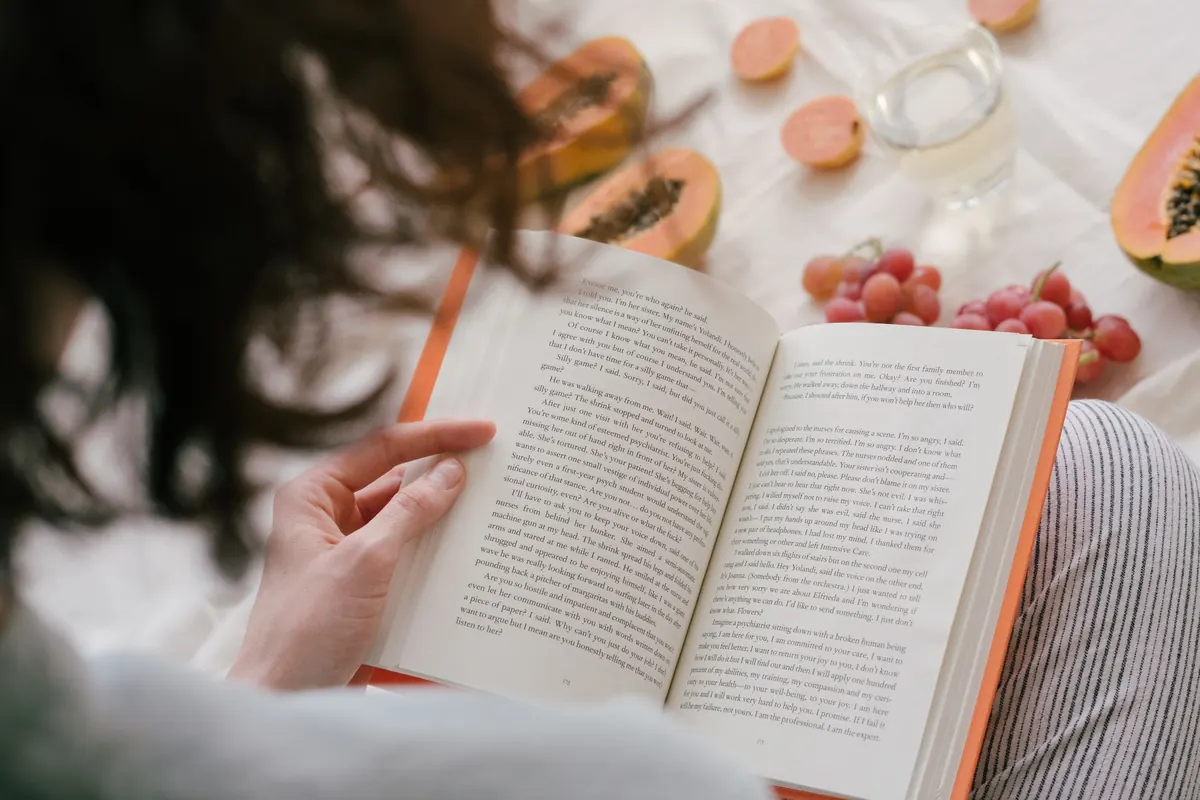
A kettle, a window, one poem. Fourteen lines, maybe eight. Read it twice, then close the book.
That is the whole ritual, and it takes about as long as the coffee takes to brew. Poetry has a reputation for being difficult, something studied in a classroom and then politely abandoned along with the uniform. But a poem read slowly and alone, before the day's messages arrive, does something quieter than study. It steadies the attention. It gives the mind somewhere to rest that is also awake. For anyone building a slow living practice, that combination is worth more than it sounds.
A Poem Asks for the Attention Slow Living Tries to Protect
Slow living is usually described in terms of subtraction: fewer notifications, fewer purchases, fewer plans. Subtraction alone goes nowhere, though. You need something to put in the space, or the space fills itself with noise. A poem is a good occupant because it cannot be skimmed. A news article survives skimming, more or less. A poem collapses. Miss a line break and you miss the turn of the thought. Skim a metaphor and you are left with a sentence that seems to make no sense, and you conclude, wrongly, that poetry is not for you.
Read one properly and something else happens: you spend six or ten minutes doing a single thing with your whole attention. Not because you disciplined yourself into it, but because the poem will not let you do otherwise. Closing the book with an image still in your head, a field, a kitchen, a door left open, is a different quality of rest than closing a screen with nothing in your head at all.
Little and Often Beats Long and Rare
Most people who say they don't read poetry have tried it in the wrong doses: a whole collection on a Sunday afternoon, then nothing for six weeks. The better dose is one short poem a day, which is sustainable in the way a twenty-minute walk is sustainable. It asks for no particular mood, no free afternoon, no cup of tea going cold while you find your place.
Rereading matters more than volume. Reading the same poem for a week will teach you more than reading seven new ones, because the second and third readings are when you stop decoding and start hearing: the rhymes you missed, the word repeated three times, the last line that quietly rewrites the first. Keep a small stack of poems you already love within reach. On tired mornings, take one from the stack instead of hunting for something new. The point is the ritual, not the syllabus.
Choosing Poems You Will Actually Return To
You do not need a reading list, but you do need a way of choosing that doesn't turn into homework. These guidelines have served me better than any anthology's table of contents:
- Favour short poems. Under twenty lines, and eight to fourteen is close to ideal for a morning. An eight-line poem read twice is a complete practice.
- Start with one poet, not an era. A month with Emily Dickinson, or Bashō, or Wisława Szymborska, will teach you more about how to read than a survey anthology spanning four centuries.
- Use free, reliable sources. Public-domain collections such as Project Gutenberg, the archives at the Poetry Foundation and poets.org, and your local library's poetry shelf will carry you for years.
- Judge by pull, not reputation. If a famous poem leaves you cold, set it down. Being bored by a canonical poem is not a personal failing.
- Allow half-understanding. The poems worth keeping are often the ones you cannot quite paraphrase. Comprehension is not the entry fee.
- Keep a page of favourites. When a poem works, copy it out by hand or photograph the page. A personal handful beats a hundred recommendations.
Notice how little any of this has to do with being well read. The poems you choose are tools for a particular morning, not badges.
A Simple Shape for the Morning
If you like a structure to begin with, borrow this one and then loosen it:
- Anchor it to something you already do. Kettle on, poem open. The existing habit carries the new one.
- Read once for sound. Aloud if you live alone or don't mind, quietly if the house is still asleep.
- Read again for sense, slower, with a pencil in hand. Underline what catches you. Resist annotating like a student.
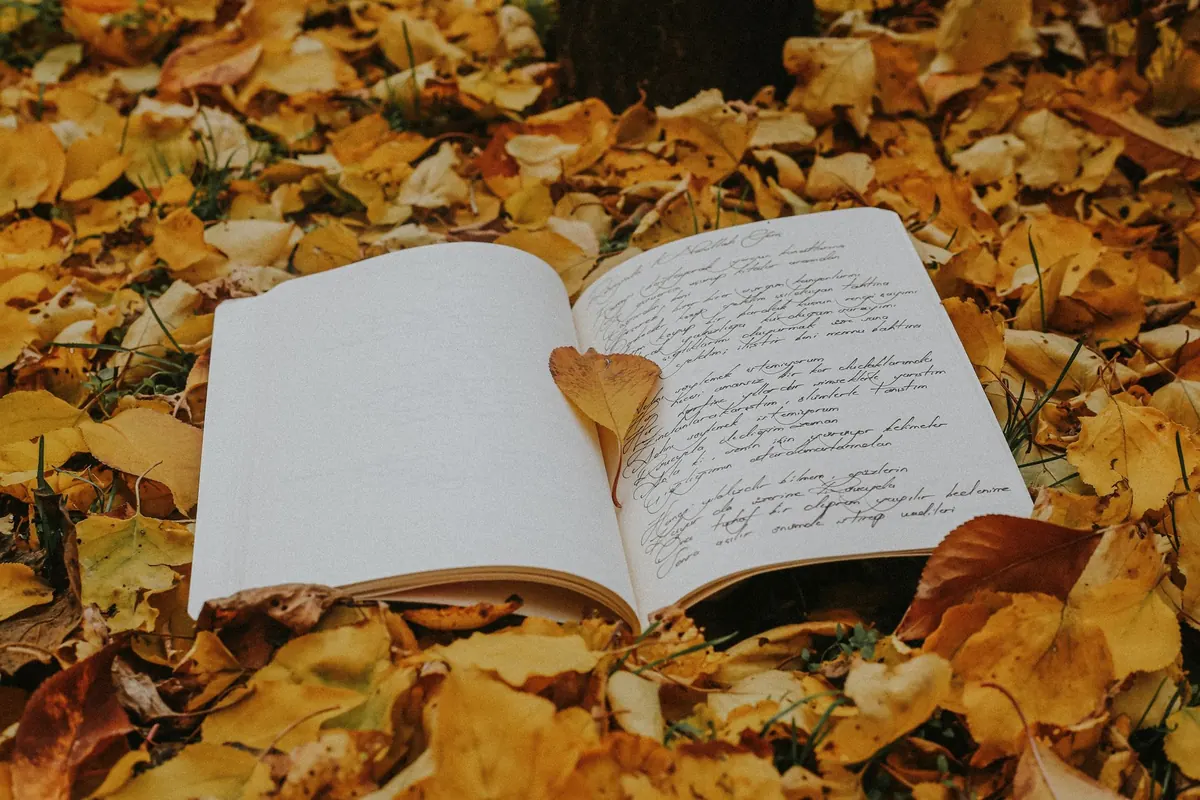
- Write one line in a notebook. Not a review. A word, a question, "the third line", "no". One line is enough.
- Close the book and leave it. Don't go hunting for explanations online straight away. Let the poem sit for a day.
- On Sunday, read back over the week's poems and choose one to carry into the next week.
The whole sequence takes under ten minutes. If you only manage steps one to three, it still counts. Consistency beats completeness: a practice you can perform on a bad morning is a practice that survives.
When a Poem Does Not Land
Some poems are for someone else, or for a different season of your life. Try the rule of two mornings: if a poem has given you nothing after two readings on two separate days, put it aside without guilt and choose another. If it needs a dictionary in every line, it may be a fine poem doing the wrong job for this month. Save it and move on.
Equally, some mornings you will read a poem you love and feel nothing at all. That is not failure. The reading is the practice; the feeling is a bonus that comes and goes. And if you miss three mornings, don't build a debt to repay. Just read one tomorrow. There is no streak to protect, only a chair, a window, and a page.
Begin Tomorrow Morning
Tonight, choose one short poem. Copy it out or bookmark it and leave it wherever you make your tea. Tomorrow, read it before you touch your phone.
For the first week, read that same poem every morning. Change it when you feel like it. Add the notebook on day three, if you like, but don't wait until you have a nice one. By the end of a month you will have a handful of marked poems, a page of one-line notes in your own handwriting, and a habit that costs almost nothing and returns your attention to you before the day asks for it. That is what a slow practice is for: not to slow your life down as a project, but to keep a small, quiet room in it that belongs to no one else.
Photo: betül nur akyürek / Pexels